
Protecting Namibia’s Desert Wildlife
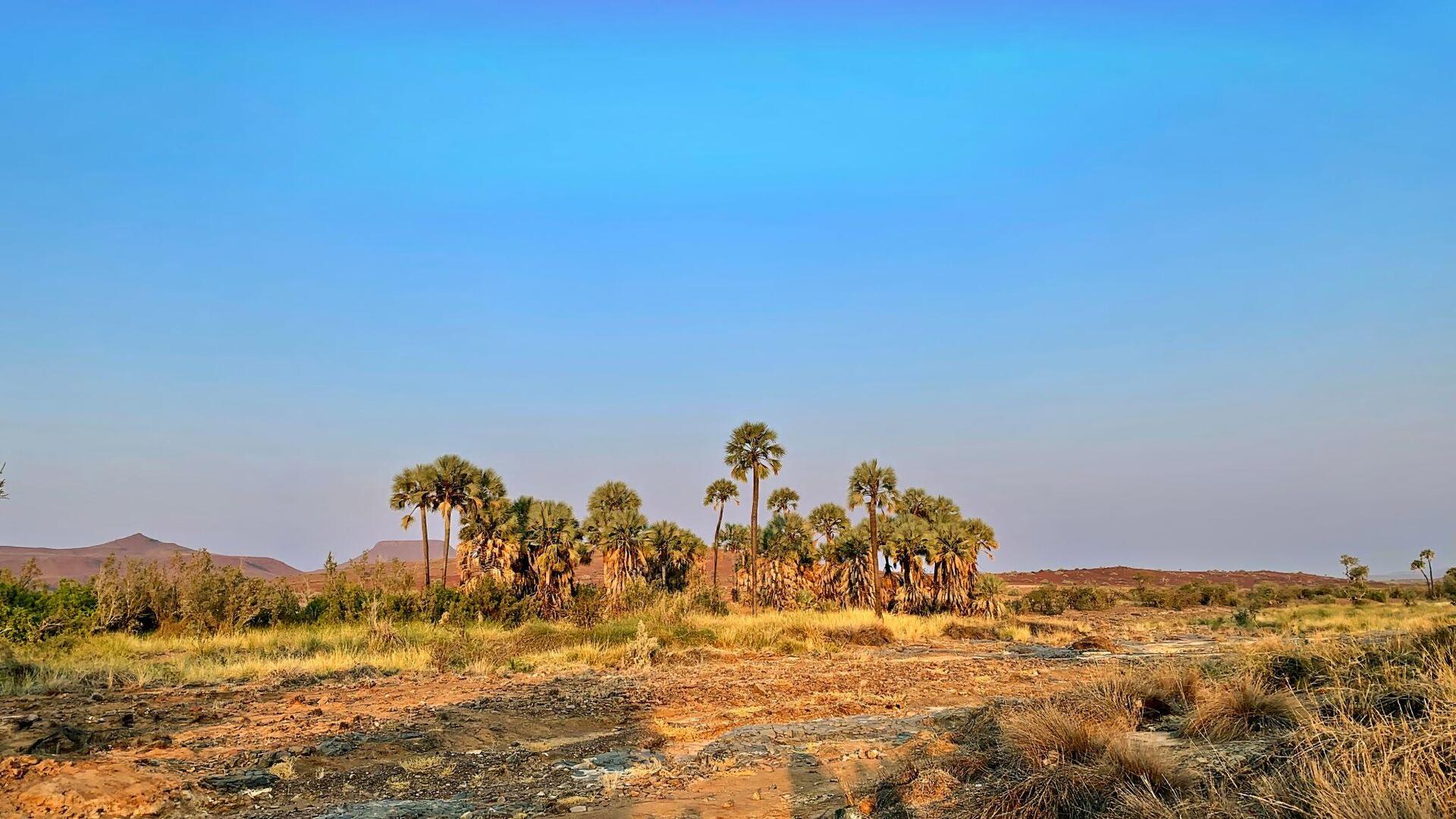
Set in the rugged wilderness of the Palmwag Concession in north-western Namibia, Palmwag Lodge is far more than just a safari destination—it plays a vital role in one of Africa’s successful conservation stories.
🦏 Protecting Desert-Adapted Wildlife and Plants
The Palmwag Concession spans hundreds of thousands of hectares of protected wilderness, making it one of the largest conservation areas in Namibia. Palmwag is a refuge for endangered species and is globally significant for its unique fauna and flora.
Key Animal Species Protected:
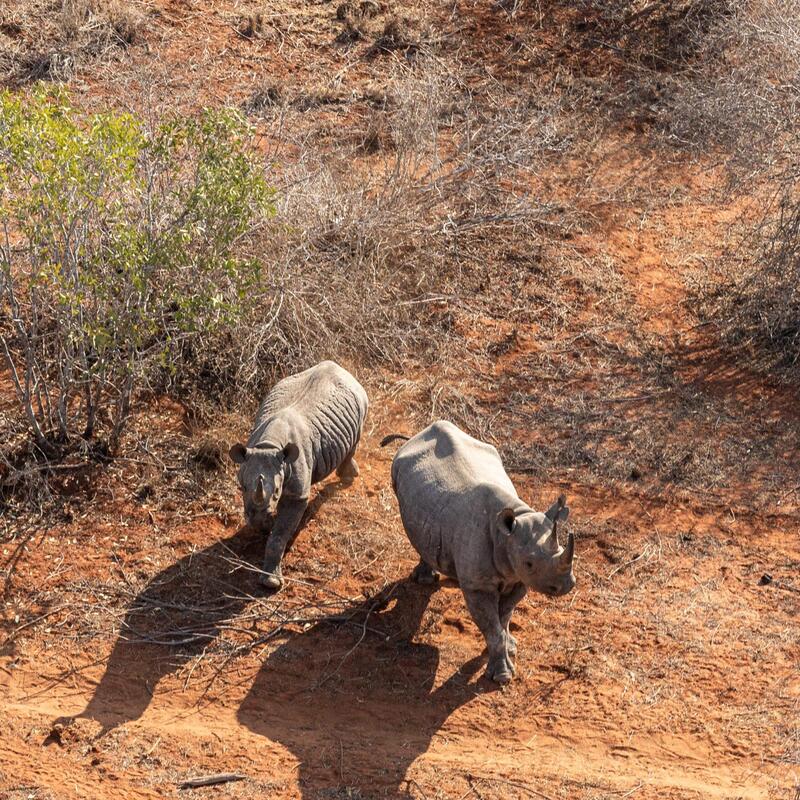
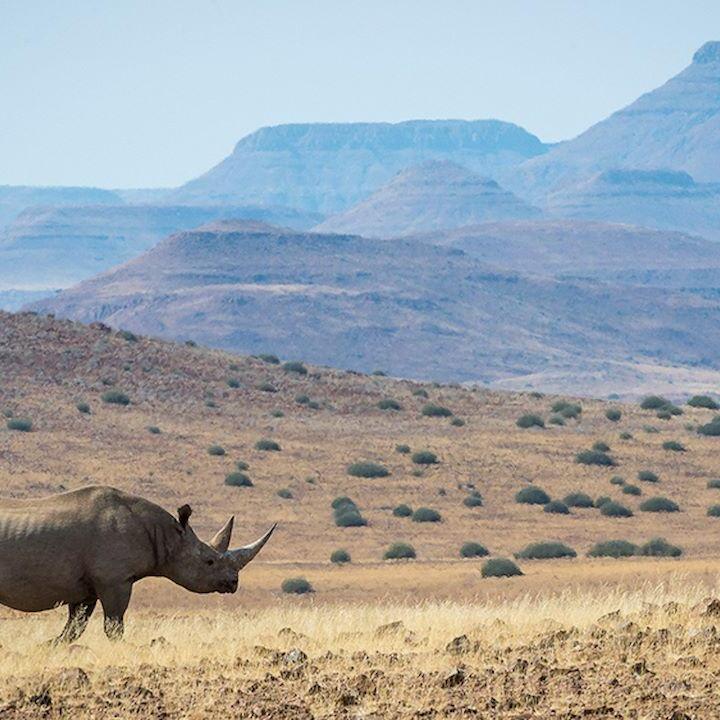
- Black rhino – One of the largest free-roaming populations in Africa
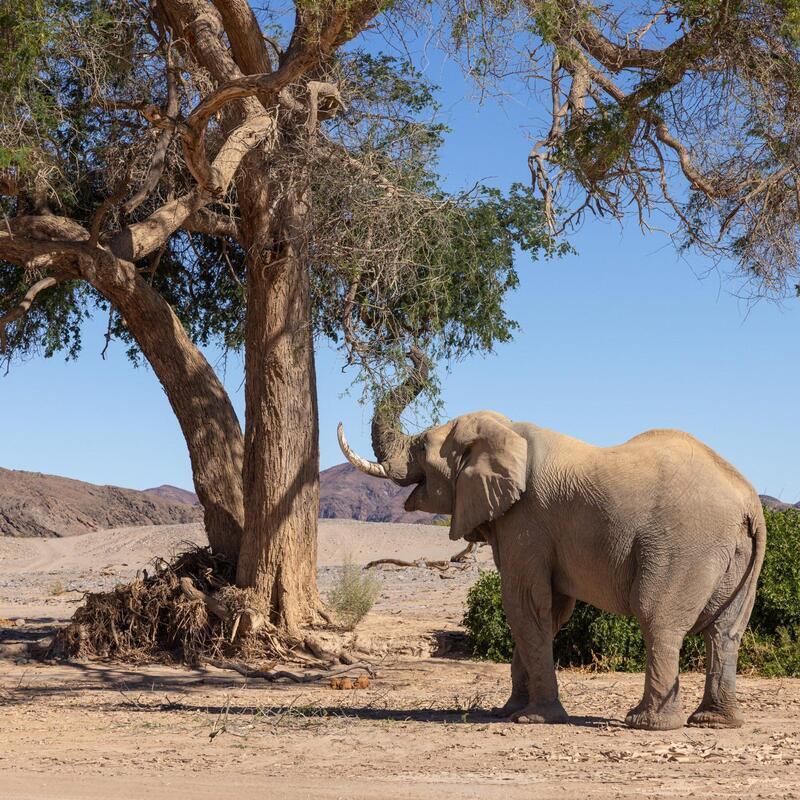
- Desert-adapted elephants
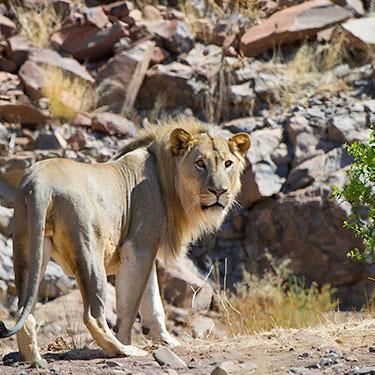
- Lions, cheetahs, and hyenas
- Hartmann’s mountain zebra and giraffe
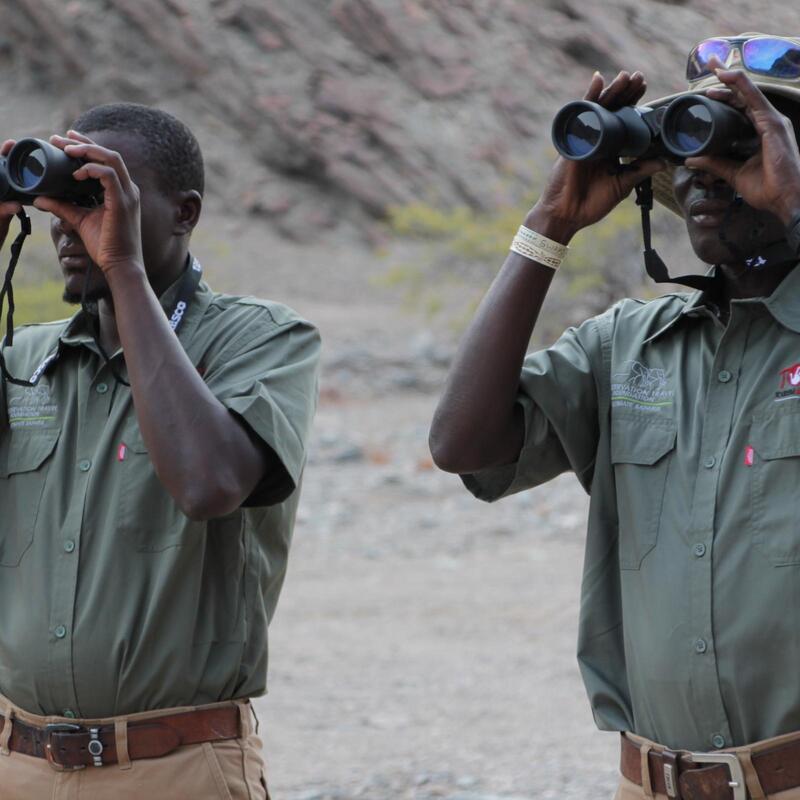
A major conservation success here is the protection of the black rhino, supported by organizations like Save the Rhino Trust, which monitors and safeguards these critically endangered animals.
Plants of the Palmwag area:
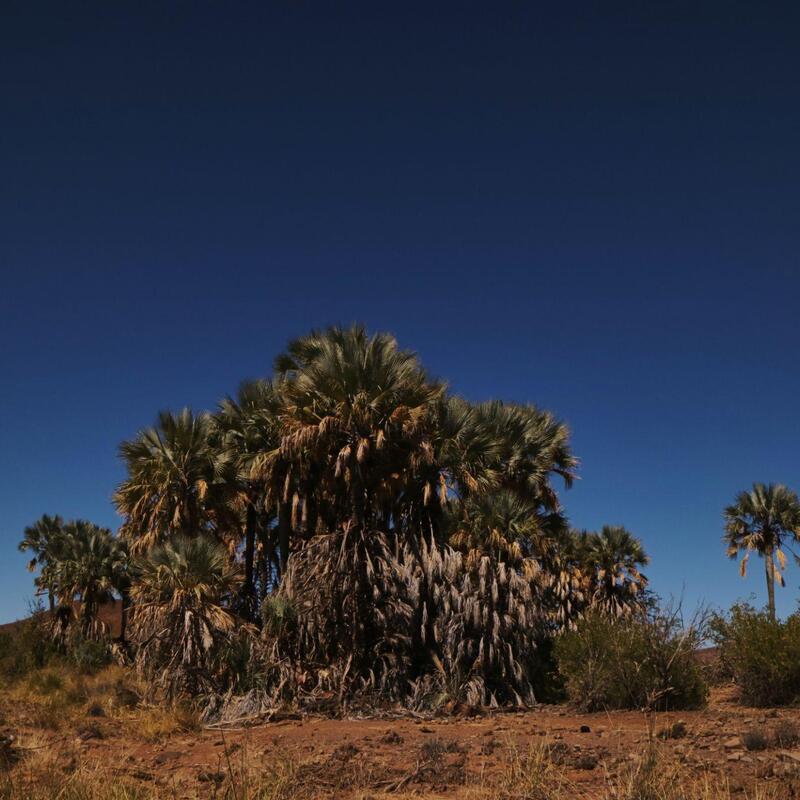
The flora of the Palmwag area is uniquely adapted to harsh semi-desert conditions. Vegetation is sparse but diverse, shaped by rocky basalt landscapes and dry river systems. Along the Uniab River, makalani palms, thorn trees and mopane trees survive near underground water sources. The wider area supports hardy species such as euphorbias, aloes, shepherd’s trees, and ancient leadwoods. Iconic plants like the welwitschia and bottle-shaped pachypodium survive through fog moisture drifting inland from the Atlantic. Grasses and low shrubs appear seasonally, creating a fragile yet resilient ecosystem specially adapted to extreme aridity and temperature fluctuations.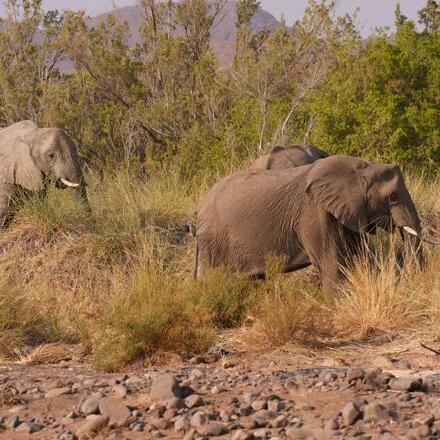
🌱 Sustainable Tourism and Conservation Experiences for Visitors
Palmwag Lodge is part of a broader conservation network, working alongside Namibia’s Ministry of Environment, Forestry and Tourism, local conservancies and NGOs. Through conservation, the region now supports thriving populations of wildlife in a harsh desert environment.
Guests at Palmwag Lodge can actively engage with conservation through:
- Guided rhino tracking excursions
- Game drives in the concession
- Nature walks with experienced guides
- Visits to conservation projects
- With the correct permits and suitable vehicles, the true adventure traveller can take the route from Palmwag to the Kunene River via Eetendeka mountain & Van Zyl’s Pass. It is one of Namibia’s most challenging and rewarding 4x4 adventures. Traversing remote Kaokoland, the track winds through rugged mountains, rocky descents, and dry riverbeds. Van Zyl’s Pass demands careful driving, with steep gradients and loose stones. In return, travellers are rewarded with dramatic landscapes, isolation, and a true sense of wilderness before reaching the lush riverbanks of the Kunene.
🤝 Community-Based Conservation Model
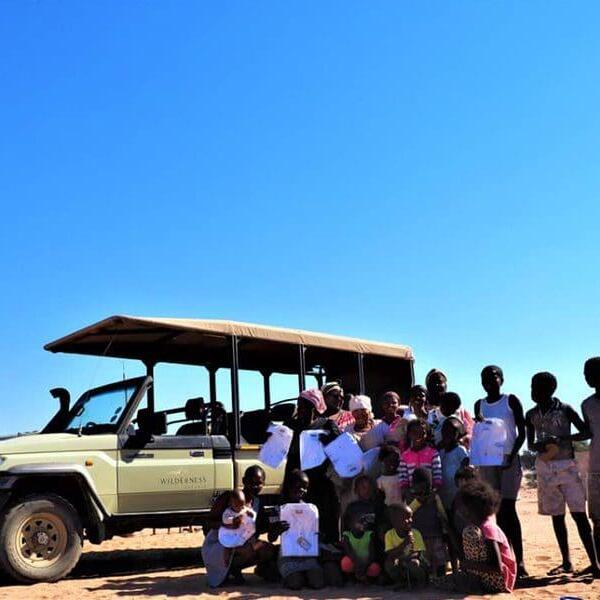
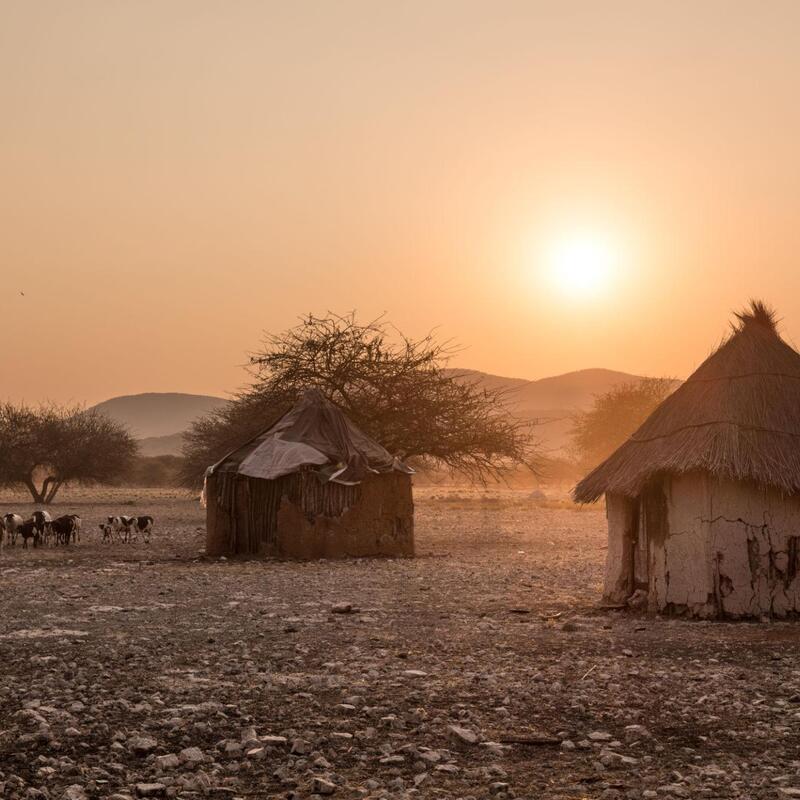
One of the most powerful aspects of Palmwag’s conservation success is its community-driven approach.
- Local communities are actively involved in protecting wildlife
- Tourism revenue supports livelihoods and conservation efforts
- Former poachers have become wildlife guardians and trackers
This model has been so effective that it has been adopted across Namibia as a national conservation strategy. Palmwag Lodge is proof that wildlife and people can coexist sustainably and that tourism can fund and support conservation.
✨ Final Thoughts
If you are looking for a safari destination where your visit truly makes a difference, Palmwag Lodge in Namibia should be at the top of your list. Contact Temba Travel to book your self-drive safari to this area.